Surbiton Station rubbish removal guide for KT6 residents
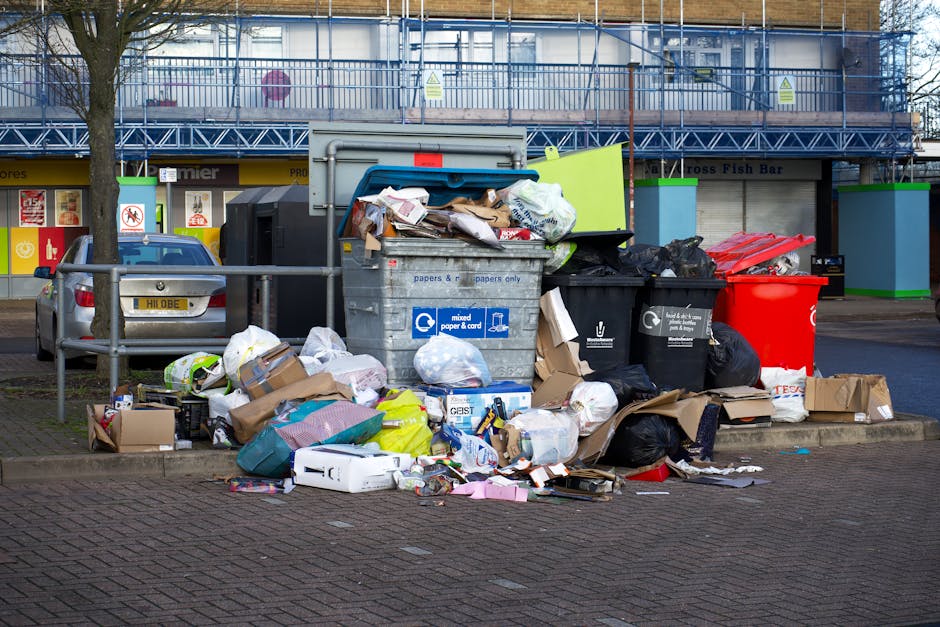
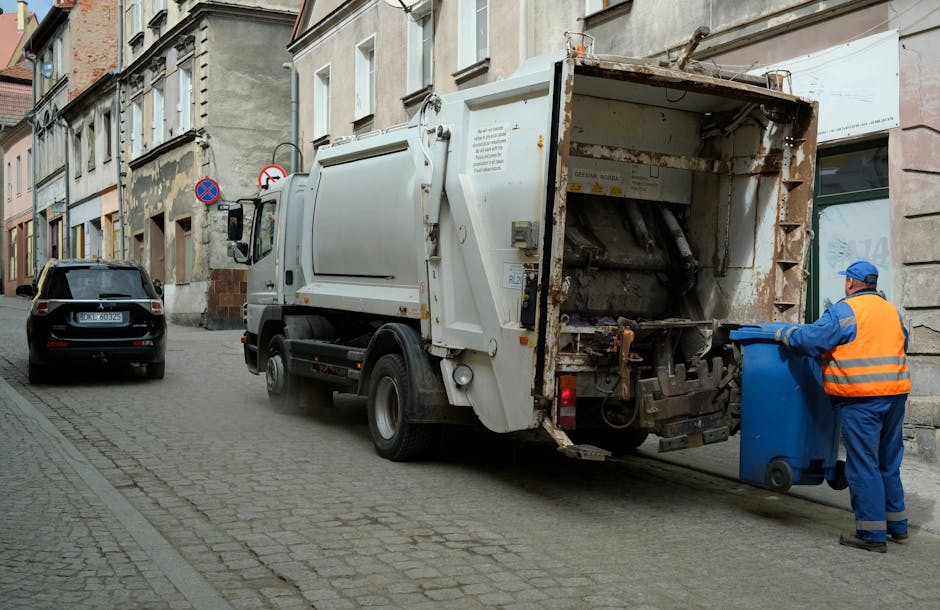
If you live near Surbiton Station and you're staring at a growing pile of black bags, broken furniture, or post-renovation rubble, you're not alone. The pace around KT6 is busy, the pavements are narrow in places, and rubbish has a habit of getting awkward right when you need it gone. This Surbiton Station rubbish removal guide for KT6 residents walks you through the realistic options, what to expect, what to avoid, and how to choose a clearance method that fits your home, budget, and timeline.
Whether you're clearing a flat, emptying a garage, dealing with an old sofa, or just trying to get your weekend back, the aim here is simple: make the whole thing less stressful and a lot more straightforward. Truth be told, rubbish removal sounds like a small job until you're halfway through it. Then it becomes a small mountain.
Quick take: the best rubbish removal plan for KT6 residents is usually the one that matches access, volume, and waste type. Fast access near the station can be a plus, but busy roads, limited parking, and mixed waste can make planning matter more than people expect.
Table of Contents
- Why this matters in the Surbiton Station area
- How rubbish removal works in practice
- Key benefits and practical advantages
- Who this is for and when it makes sense
- Step-by-step guidance
- Expert tips for better results
- Common mistakes to avoid
- Tools, resources and recommendations
- Law, compliance and best practice
- Options and comparison table
- Case study or real-world example
- Practical checklist
- Conclusion
- Frequently asked questions
Why Surbiton Station rubbish removal guide for KT6 residents Matters
Surbiton Station is a convenient part of KT6, but convenience can cut both ways. Living near a transport hub often means more foot traffic, tighter parking windows, and less room to leave waste sitting around. If you're clearing rubbish in that setting, a vague plan usually turns into delays, blocked hallways, or several trips you didn't budget for.
For local residents, rubbish removal matters for three very practical reasons. First, there's the space issue: many homes and flats around the station simply don't have the luxury of storing bulky waste for days. Second, there's speed: if you've got a move-out date, a landlord inspection, or builders arriving Monday morning, waste can't hang around. Third, there's the impact on neighbours. Nobody enjoys shared entrances smelling like old carpet, wet cardboard, or that slightly sour note you get from forgotten household waste after a warm day.
There's also a trust angle. Not every waste carrier handles items properly, and not every household knows what can be taken, reused, recycled, or needs separate treatment. Good rubbish removal protects you from fly-tipping risk, accidental non-compliance, and the kind of last-minute panic that hits around 6pm on a Sunday. Not ideal, obviously.
How Surbiton Station rubbish removal guide for KT6 residents Works
The process is simpler than people think, once you strip away the jargon. In most cases, rubbish removal follows a basic pattern: you identify the waste, choose a method, arrange the collection or disposal, and make sure items are ready for safe loading. That sounds obvious, but the details matter.
For domestic clearances in KT6, the first decision is usually whether the rubbish is general household waste, bulky items, green waste, builders' debris, electricals, or something more delicate such as confidential paperwork or potentially hazardous materials. That one choice affects the whole job. A mixed load with a broken wardrobe, an old mattress, a bag of garden clippings, and a fridge is not the same thing as a few bin bags.
Good clearance teams normally work with access in mind. Around Surbiton Station, that might mean narrow front paths, basement flats, stairwells, controlled parking, or a quick in-and-out window before the road gets busy. The cleaner the access plan, the smoother the removal. If you want a broader view of waste handling and disposal options, it can also help to look at the general waste removal service information before booking.
Some residents choose a full property clearance when they're emptying a flat or house. Others just need a specific item removed, like a sofa or appliance. In practical terms, the service should match the job, not the other way around. That's the bit people sometimes get backwards.
Key Benefits and Practical Advantages
There are obvious benefits to professional rubbish removal, but the less obvious ones are often the most valuable. Yes, it saves lifting, sorting, and driving back and forth. But it also reduces the chance of mistakes that can be expensive or simply annoying.
- Less time wasted: one collection can replace a whole weekend of trips to different disposal points.
- Better access handling: experienced teams are used to awkward staircases, shared entrances, and limited stopping space.
- Cleaner finish: a proper clearance leaves rooms ready for use, not half-cleared and still stressful to look at.
- Safer disposal: items like fridges, sofas, and mattresses need care and, in some cases, separate handling.
- Less neighbour friction: waste out of the way quickly means fewer complaints and fewer eyes on your hallway pile.
- More predictable planning: especially useful if you're working to a move date, end-of-tenancy deadline, or contractor schedule.
If you're clearing a property rather than just a few items, the right service can also help you decide whether you need a house clearance, a smaller home clearance, or a room-by-room approach. That distinction sounds minor. It isn't, really. It can change the whole shape of the job.
Who This Is For and When It Makes Sense
This guide is for KT6 residents who need rubbish gone without the hassle of figuring out every disposal rule themselves. It's especially useful if you're:
- moving out of a flat or house near Surbiton Station
- clearing old furniture before new furniture arrives
- dealing with post-refurbishment mess
- emptying a loft, garage, or shed
- sorting out garden waste after a big tidy-up
- getting rid of one-off bulky items that won't fit in normal bins
- managing a business or office cleanout in or around KT6
It also makes sense when you simply don't have the right vehicle, the right time, or the right patience. Let's face it, not everyone wants to wrestle a three-seat sofa through a front door and into a hatchback. Some jobs are better outsourced.
For flats and smaller homes, especially near the station where space can be tight, a dedicated flat clearance can be far more practical than trying to build a DIY disposal plan around bin day. Likewise, if your problem is mostly old chairs, tables, and soft furnishings, the furniture disposal and mattress and sofa disposal pages are worth checking because those items tend to create the most friction.
Step-by-Step Guidance
If you want the process to go smoothly, use a simple plan. Nothing fancy. Just organised.
- Walk the property first. Identify everything that needs to go. Be ruthless but realistic. If you're not sure about an item, put it in a maybe pile.
- Separate waste by type. General rubbish, furniture, electricals, green waste, and building materials should not all be lumped together unless your provider has confirmed they can take the mixed load.
- Check access. Measure doorways if needed, think about stairs, and decide where collection vehicles can safely stop. Around Surbiton Station, this saves a lot of awkward pacing about.
- Remove anything you want to keep. This sounds obvious, yet it is one of the most common mistakes. Small items disappear into clearances all the time because they were left in a corner.
- Flag anything unusual. Fridges, paint, chemicals, sharps, batteries, and similar items need care. If in doubt, ask before collection.
- Get a clear quote. Pricing is usually easier when the provider knows the type and volume of waste. For more detail on how estimates are handled, see the site's pricing and quotes information.
- Prepare the items for loading. Put waste in one accessible place if possible, but don't block exits or create hazards.
- Confirm payment and timing. If you need the job done on a particular day, check the booking process early through book online rather than leaving it to the last minute.
A small but useful tip: if you are clearing a room in stages, start with the largest items first. Once the big pieces are gone, the rest usually looks manageable. Funny how that works.
Expert Tips for Better Results
In our experience, the difference between an easy clearance and a stressful one usually comes down to preparation, not brute force. Here are the details people often miss.
1) Photograph the load before collection
A quick set of photos can help you remember what's included and avoid any awkward "oh, that pile too?" moments on the day. It also helps if the waste is spread across different rooms. Nothing dramatic, just practical.
2) Keep a clear path from the waste to the exit
Even a tidy hallway can become a bottleneck if boxes, shoes, buggies, or laundry baskets are in the way. If a loader has to weave through clutter, everything slows down. That's how a 20-minute job becomes an hour.
3) Be careful with mixed waste
Some loads are straightforward. Others are a bit of everything. Mixed waste can be fine, but only if the provider accepts it and has the right process for sorting and disposal. If builders' debris is involved, you may need a more specialised builders waste clearance approach rather than a general rubbish removal.
4) Don't hide awkward items at the back
Residents sometimes tuck away a broken appliance or damaged mattress and hope it won't be noticed. It will be noticed. Better to be upfront and get a proper plan.
5) Ask about recycling and reuse
Responsible waste handling is not only about getting things out of the way. It should also consider what can be reused, recycled, or diverted from landfill where possible. If environmental impact matters to you, take a look at the company's recycling and sustainability information.
One more thing: if you're dealing with paperwork, old files, or cards with personal details, keep them separate and ask about secure destruction. Confidential waste deserves a bit more care than a black bag in the hallway.
Common Mistakes to Avoid
The biggest mistake is thinking all rubbish is the same. It really isn't. Different items can need different handling, and assuming otherwise can create delays or extra cost.
- Leaving booking too late: if you need access on a specific date, don't wait until the evening before.
- Underestimating volume: a few "small" piles often add up to much more than expected.
- Mixing restricted items with general waste: appliances, sharp items, and potentially hazardous materials need separate attention.
- Forgetting access issues: parking, staircases, and narrow corridors all affect the job.
- Assuming all furniture can go together: bulky sofas, wardrobes, and beds may require different handling.
- Not checking what your provider accepts: a vague yes is not the same as a confirmed yes.
One classic slip-up is booking a clearance as if it were only household waste, then discovering there's also a pile from a DIY project. That's where things get messy. If your load includes renovation debris, have a look at builders waste clearance before you commit.
Tools, Resources and Recommendations
You don't need specialist equipment for every job, but a few basics help. A tape measure, strong bags, gloves, and a torch are usually enough for a first pass. If you're sorting a loft or garage, a dust mask and decent lighting can make the whole process feel far less grim. No one enjoys discovering a decade of dust at 8 in the morning.
For residents clearing a garage or outdoor area, garage clearance and garden clearance services are relevant because these spaces often contain mixed waste: old paint pots, broken tools, plant matter, damp cardboard, and random items you forgot you owned.
If the task is larger and involves a full property sort, it can help to think in zones: loft, bedroom, kitchen, hallway, garage, garden. That approach keeps you from bouncing around and losing momentum. You'll notice the room-by-room method tends to reduce stress, even when the total amount of rubbish is the same.
For people with sensitive paperwork or business records, secure disposal matters too. In those cases, confidential shredding may be a better fit than standard rubbish collection.
If you want a broader read on wider service standards and the team behind the work, the about us page is a useful place to start. It gives context on who is doing the lifting, sorting, and disposal decisions, which matters more than people sometimes admit.
Law, Compliance, Standards, or Best Practice
Rubbish removal in the UK comes with responsibilities, even for ordinary household jobs. You do not need to memorise legislation to stay safe, but you should know the broad principles. Waste should be carried, stored, and disposed of properly by a legitimate operator, and you should avoid handing waste to anyone who cannot explain what happens to it.
Best practice is simple: use a waste carrier you trust, keep a basic record of what has been removed, and be honest about the waste type. That is especially important for items that can be harmful, heavy, sharp, or environmentally sensitive. If something seems borderline, treat it as a question worth asking. That's usually the sensible move.
For instance, fridges, freezers, and other appliances may need separate handling because of their components. If that sounds like your job, the fridge and appliance removal page is directly relevant. Likewise, materials that may need special care belong in the hazardous waste disposal category rather than a general mixed pile.
Insurance and safety also matter, especially if items need to be removed from upper floors or awkward access points. A sensible provider should have processes in place to reduce risk to workers, property, and residents. If you want to understand how that is approached, the site's insurance and safety information is useful, as is the broader health and safety policy.
When you're comparing disposal methods, don't forget payment and security. It may sound like a boring detail, but it is one of those boring details that saves headaches later. The same goes for reading terms and conditions before you book, rather than after the van has already arrived.
Options, Methods, or Comparison Table
There are a few sensible ways to handle rubbish near Surbiton Station, and the right one depends on how much you've got, how fast you need it gone, and what the waste actually is.
| Method | Best for | Pros | Watch-outs |
|---|---|---|---|
| DIY trips to the tip | Small, manageable loads | Can be cheap if you have transport and time | Time-consuming, lifting risk, parking and queuing hassle |
| Skip hire | Ongoing work or larger projects | Good for repeated loading over time | Space needed, permit considerations, not ideal for some streets |
| Man and van rubbish removal | Bulky items or mixed loads | Quick, flexible, often easier for flats and tight access | Needs good quoting and clear item descriptions |
| Specialist clearance | Lofts, garages, houses, offices, or fragile situations | Better for full-property or category-specific jobs | May require more planning, especially for mixed waste |
If you're unsure about skip suitability, the site's what can go in a skip page is a useful comparison point, even if you ultimately decide a collection service is easier. And for heavier jobs that need a more structured approach, a office clearance or business waste removal service may be better than trying to improvise.
Case Study or Real-World Example
A fairly typical KT6 scenario goes like this. A resident in a first-floor flat a short walk from Surbiton Station needs to move out at the end of the month. The place has a worn sofa, an old bed base, several bags of general waste, two broken dining chairs, and a couple of boxes from the loft that have turned out to be a strange mix of keepsakes and junk.
At first, it feels manageable. Then the resident notices the staircase is narrow, the lift is not usable for bulky items, and the hallway outside the flat is shared. Suddenly the job is no longer about "just getting rid of a few things." It's about timing, access, and not upsetting the neighbours in the process.
The solution in that sort of case is usually straightforward: separate the obvious items, identify anything special like an appliance or confidential paperwork, clear the route, and book a collection that suits the access. The sofa and bed go with a dedicated furniture route, the rest is handled as mixed rubbish, and the space is left ready for cleaning and handover. Nothing glamorous. But it works.
That kind of real-world job is exactly why preparation matters. A little planning on Tuesday can save a very long Wednesday.
Practical Checklist
Use this before your collection day. It keeps things calm.
- Walk through every room and identify all waste items
- Separate general rubbish from furniture, electricals, garden waste, and hazardous materials
- Check whether any item needs specialist handling
- Measure access points if large items must be carried through tight areas
- Clear the path from waste to exit
- Remove anything you want to keep
- Take photos of larger loads for reference
- Confirm pricing, timing, and payment details
- Make sure someone is available if access or decisions are needed on the day
- Keep children and pets away from the clearance area
If you are dealing with a full house, loft, or large storage area, a tailored service such as loft clearance or furniture clearance can make the whole process much less chaotic. And if the waste is mostly domestic clutter rather than one or two bulky pieces, it may be worth looking at house clearance as a cleaner option.
Conclusion
For KT6 residents, rubbish removal near Surbiton Station is rarely just about taking bags away. It's about dealing with access, sorting the right waste type, choosing a sensible collection method, and getting the job done without extra fuss. Once you break it down, the process becomes much easier to manage.
The best outcomes usually come from a few simple habits: be honest about the load, prepare the space, ask about specialist items early, and choose a service that matches the reality of your property rather than the ideal version of it. That's the bit people remember afterwards. Not the lifting, but the relief when the room is finally clear.
If you're ready to turn a messy corner into usable space again, take the next step and plan it properly. It really does make a difference.
Get a free quote today and see how much you can save.
Frequently Asked Questions
What is the easiest way for KT6 residents to get rubbish removed near Surbiton Station?
For most residents, the easiest option is a collection service that can handle the waste in one visit. That is especially true for bulky items, mixed loads, or flats with awkward access. If you only have a very small amount, DIY disposal may still work, but it often takes longer than people expect.
Can I leave rubbish outside my property for collection?
Only if the collection has been arranged and the waste is placed safely. In shared entrances or busy streets, leaving rubbish out too early can create obstruction or nuisance. It is better to confirm timing first and keep everything in a secure, accessible spot.
What types of waste are most common in Surbiton Station rubbish removal jobs?
In KT6, the most common items are household rubbish, old furniture, mattresses, broken appliances, garden waste, and DIY debris. Flats near the station often produce mixed loads because space is tight and people want a single clear-out rather than multiple disposal trips.
Is furniture disposal different from general rubbish removal?
Yes, it can be. Sofas, wardrobes, beds, and tables are bulky and may need separate handling. Upholstered furniture and mattresses can also be awkward to move through stairs and hallways, so it helps to use a service that specifically handles furniture disposal.
Do I need to sort everything before collection?
You do not always need to sort every single item, but some basic separation helps a lot. General waste, furniture, appliances, and hazardous items should be identified before the collection day so the provider can plan properly.
How do I know if I need a loft clearance or a house clearance?
If the waste is mainly from one area, such as a loft, then a loft clearance is usually the better fit. If you are clearing multiple rooms or the whole property, house clearance is often more suitable. The decision usually comes down to scope, access, and how much sorting is needed.
Can old appliances be taken away too?
Often yes, but appliances should be flagged in advance. Fridges, freezers, washing machines, and similar items may need specific handling because of their weight and components. It is worth checking the appliance removal option before collection.
What should I do with hazardous or unusual waste?
Do not mix it in with general rubbish. Items such as chemicals, certain paints, sharps, batteries, and other risky materials need careful handling. The safest approach is to ask the provider in advance and use a dedicated hazardous waste route if needed.
How can I reduce the cost of rubbish removal?
Clear access, accurate descriptions, and separating obvious waste types can all help keep the job efficient. The more accurately you explain what needs removing, the easier it is to give a sensible quote. If you leave everything as a mystery pile, costs can become less predictable.
Is it better to hire a skip or book a rubbish removal service?
That depends on the job. A skip can be useful for longer projects, but it needs space and may not suit tighter streets or flats. A rubbish removal service is usually better for quick, bulky, or access-heavy jobs. If you are unsure, compare both options against your space, time, and waste type.
What if my waste includes office paperwork or sensitive documents?
Keep those items separate and ask about secure destruction. Confidential paperwork should not be treated as ordinary mixed rubbish. A dedicated shredding option is a more appropriate route for privacy-sensitive material.
How far in advance should I book?
As early as possible if you have a deadline. End-of-tenancy moves, landlord inspections, and builder schedules can come around quickly. Even a short lead time can help you avoid stress, but same-week bookings are usually easier when you have already prepared the load and know exactly what needs to go.