Avoid hidden charges in Surbiton rubbish removal quotes
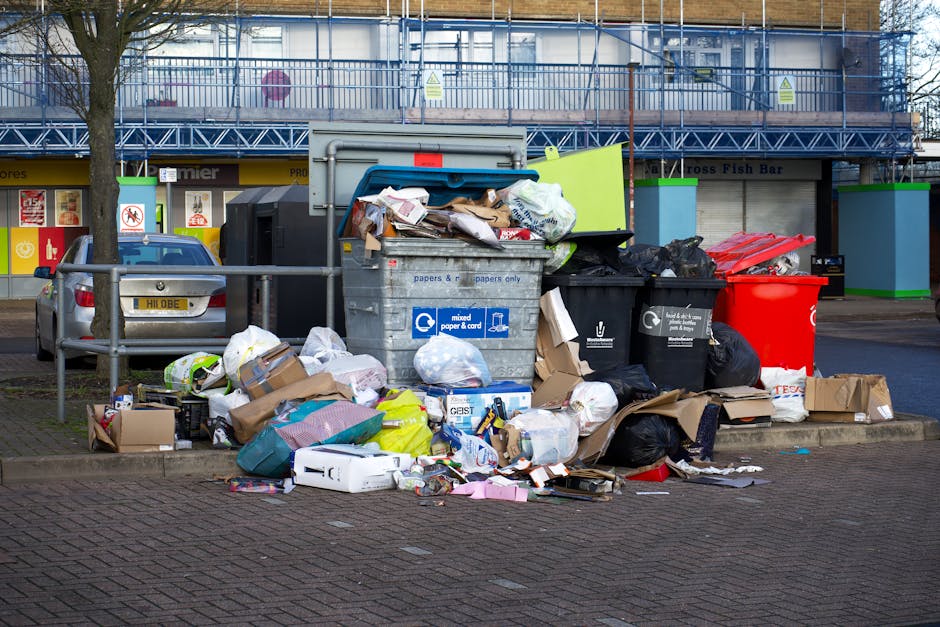
If you've ever compared rubbish removal prices and thought, "That seems fine... but what's the catch?", you're not alone. Hidden extras can turn a tidy quote into an awkward surprise on the day, especially when you're trying to clear a flat, a garage, or a pile of builders' waste in Surbiton. The good news is that avoiding hidden charges in Surbiton rubbish removal quotes is not complicated once you know what to look for. In this guide, we'll break down how quotes are built, where surprise fees tend to appear, and how to ask the right questions before anyone turns up at the kerb.
It's practical stuff, really. A few minutes of checking now can save you money, hassle, and that annoying feeling of being cornered at the end of the job. Let's make the pricing clear.
Why hidden charges in Surbiton rubbish removal quotes matters
Hidden charges are more than a nuisance. They make it harder to compare providers fairly, and they can leave you paying for things you didn't agree to. In a local area like Surbiton, where jobs can range from a quick sofa pickup to a full house clearance, the quote needs to match the real workload. If it doesn't, the final bill can jump for reasons that feel, frankly, a bit slippery.
Why does this matter so much? Because rubbish removal is one of those services where the price depends on details: access, weight, disposal type, labour, loading time, parking, and sometimes even how awkward it is to get a wardrobe down a narrow stairwell. If those details aren't discussed clearly, assumptions creep in. And assumptions are where hidden charges tend to live.
There's also a trust angle. A transparent quote tells you the company has thought through the job properly. It shows they are likely to be organised with loading, transport, sorting, and disposal. A vague quote, on the other hand, can be a warning sign that the final figure will only become clear after the van is already there. Not ideal.
To be fair, some extra costs are perfectly reasonable if your job changes. But reasonable charges should be explained before the work begins, not sprung on you like a last-minute plot twist.
How hidden charges in Surbiton rubbish removal quotes works
Most rubbish removal quotes are based on a combination of what needs to be removed and how difficult it is to remove it. A straightforward job might be priced from photos or a short description. More complex jobs may need a site visit or a very careful inventory. The key is that the quote should state what is included, what could change it, and what would trigger an extra fee.
Here's the basic structure you'll usually see:
- Volume or load size: How much space your rubbish takes up in the vehicle.
- Weight: Heavier waste can cost more because disposal fees may rise.
- Labour: Carrying items from upstairs, a basement, or a back garden can add time.
- Waste type: General household rubbish, garden waste, appliances, and certain specialist items are not treated the same.
- Access and parking: Limited access or difficult parking can affect the job.
- Disposal costs: Some loads cost more to dispose of responsibly, especially if they need sorting or special handling.
That sounds straightforward enough, but the problem is in the wording. A quote might say "from GBPX" without telling you what that includes. Or it may mention "subject to assessment on arrival," which can be fair in some cases but too open-ended if the company refuses to define the possible extras.
In real life, the sneaky charges often show up as:
- extra labour for stairs, long carries, or dismantling
- surcharges for heavy or awkward items
- fees for mattresses, fridges, sofas, or mixed waste
- parking or congestion-related add-ons
- minimum load charges that were not mentioned clearly
- charges for "sorting time" when the waste was already described properly
The best quotes are written in plain English. You should be able to look at them and think, "Right, I know what I'm paying for." If not, keep asking until you do.
Key benefits and practical advantages
When you know how to avoid hidden charges, you don't just save money. You make the whole job less stressful.
- Clear budgeting: You can plan the cost before booking, which helps if you're juggling a move, renovation, or office clearance.
- Better comparisons: Apples-to-apples quotes are much easier to compare than vague estimates.
- Less day-of tension: Nobody likes awkward conversations at the end of a long clearance job.
- More confidence: You know what's included and what isn't, so you can make a decision without second-guessing.
- Fewer disputes: Clear terms reduce the chance of a pricing argument once the van has been loaded.
There's a quieter benefit too: good pricing discipline usually goes hand in hand with good service. A company that quotes clearly often handles the rest of the job clearly as well. That includes arrival windows, loading plans, waste separation, and the way they deal with unexpected issues. It all tends to hang together.
Expert summary: The cheapest rubbish removal quote is not always the best value. The best value is the one that explains exactly what you're paying for, leaves little room for surprise, and matches the real conditions on site.
Who this is for and when it makes sense
This advice is useful for almost anyone arranging waste collection in Surbiton, but it matters most if your job is a little bit messy, a little bit variable, or hard to judge from a quick glance.
You'll especially want to be careful if you are:
- clearing a flat with stairs or limited access
- disposing of bulky furniture or white goods
- dealing with builders' rubble or mixed renovation waste
- emptying a garage, loft, or shed where the contents have accumulated over years
- booking on behalf of a landlord, tenant, office manager, or property agent
- trying to keep a move or refurbishment on budget
It also makes sense if you've had a quote before that turned out to be, let's say, less straightforward than expected. Once bitten, twice shy. People often learn this the hard way after a "simple" pickup becomes a story about extra stairs, extra bags, and an extra charge that nobody mentioned earlier.
If your waste is simple, visible, and easy to access, then the quote should be simpler too. If it isn't, ask why. A proper provider should be able to explain the difference without sounding defensive.
Step-by-step guidance
If you want to avoid hidden charges in Surbiton rubbish removal quotes, use a process. It's not glamorous, but it works.
1. Describe the waste properly
Start with a clear list. Don't just say "a few bits and pieces." Mention the main items, the number of bags, any furniture, appliances, garden waste, or construction debris. If you can, send photos from a few angles. Two pictures are usually better than one. Three is better still.
2. Explain access honestly
Be upfront about stairs, narrow hallways, locked gates, parking restrictions, or long walks from the property to the vehicle. If the team has to trek from the front door to the van down a shared drive in the rain, that affects the job. Not massively every time, but enough to matter.
3. Ask what the quote includes
Ask whether the price covers labour, loading, disposal, VAT if applicable, and any collection fee. Also ask what happens if the load turns out larger than expected. A good company will answer directly. A vague one may start speaking in circles. You know the type.
4. Ask about possible extras before booking
This is the big one. Ask specifically about stairs, heavy lifting, dismantling, appliance removal, mattress disposal, and parking. If they mention a surcharge, ask when it applies and how much it is. Keep it simple and calm.
5. Confirm the quote in writing
Whether the estimate came by phone, message, or online form, ask for confirmation in writing. That could be an email or a booking summary. The point is to have a record of what was agreed.
6. Check the cancellation or change policy
If your plans might shift, ask what happens if the collection time changes or the load is smaller than expected. Some companies are flexible; some are less so. Better to know now than on the day.
7. Reconfirm before collection day
If the job has changed since the quote was given, update the provider. A small update can prevent a big disagreement. A last-minute extra wardrobe, for example, is exactly the sort of thing that should be mentioned early.
Keep the conversation practical, not confrontational. Most reputable teams prefer clarity too. It saves them time, and honestly, it makes their life easier as well.
Expert tips for better results
Here's where the small details pay off.
- Use photos plus a written list: Pictures show size and shape; words clarify waste type and quantity.
- Separate regular waste from specialist items: A mixed pile can be quoted differently from a clean, sorted load.
- Ask whether loading time is capped: Some prices assume a quick job. If your clearance is likely to take longer, say so.
- Be careful with "all-in" wording: "All-in" sounds reassuring, but it still needs definition. All-in what, exactly?
- Check if the company sorts for recycling: Responsible sorting can affect cost, but it also tells you something about how seriously they take disposal.
- Don't hide awkward items: If there's a broken wardrobe, old mattress, or appliance tucked behind the shed, mention it. Surprise items create surprise charges.
One small trick that helps: ask for the quote to be broken down into parts. Not every company will itemise everything, but even a simple breakdown of labour, disposal, and special items can make pricing much clearer. You'll notice the difference immediately.
And if the person quoting seems rushed? Slow the process down a touch. A quote for rubbish removal should not feel like a taxi meter in a thunderstorm.
Common mistakes to avoid
Most hidden charges can be traced back to one of a few avoidable mistakes.
Accepting a vague estimate as a fixed price
If the provider says "around" or "roughly" but you expected a guaranteed figure, stop and clarify. Estimates are not the same as fixed quotes. That distinction matters more than people think.
Under-describing the waste
It's easy to say "it's just a few items" when you're standing in a cluttered room. But if the van turns up and the pile is much larger than described, the quote may change. Be accurate from the start.
Forgetting about access
A ground-floor pickup and a third-floor flat are not the same job. Same with a house that has parking right outside versus a terrace with no nearby stopping point. If access is tricky, mention it.
Ignoring special items
Fridges, freezers, mattresses, sofas, and some electricals can be treated differently. So can waste that contains sharp, wet, dusty, or mixed materials. If your load includes these, spell it out.
Not asking about VAT or fees
Some customers assume the price is fully inclusive when it isn't. Ask whether VAT is included, and if there are any separate service or handling charges.
Booking too fast because the quote looks low
A very cheap quote can be tempting. But if it feels too good to be true and lacks detail, there is usually a reason. The final bill may catch up with you later.
Truth be told, the most expensive rubbish removal is often the one where nobody took five minutes to get the wording right.
Tools, resources and recommendations
You do not need fancy tools to get a clean quote. A phone, a measuring tape, and a basic checklist are often enough. That said, a few simple habits can make a big difference.
- Take clear photos: Stand back far enough to show the room or pile, then take close-ups of any special items.
- Make a quick inventory: Write down large pieces, bag counts, and any items that need lifting from an upper floor or garden.
- Measure awkward objects: For long sofas, wardrobes, or appliances, rough dimensions help the provider judge handling and loading space.
- Note access details: Mention parking, staircases, estate roads, gates, and timing restrictions.
- Keep the quote message: Save texts or emails so you can refer back to what was agreed.
If you want to compare services, it helps to look at related pages that explain how jobs are handled in practice. For example, the company's pricing and quotes page can help you understand how estimates are structured, while the waste removal service overview gives context on the kinds of collections available. For more specific jobs, pages such as house clearance, garden clearance, and builders waste clearance can help you match the service to the job.
Those pages are useful because hidden charges often appear when the service and the job do not match properly. If you are clearing a garage full of mixed clutter, that is different from a simple bag collection. Common sense, yes, but it gets overlooked all the time.
Law, compliance, standards and best practice
When rubbish is collected, it still has to be handled responsibly. You do not need to become a waste law specialist to book a removal, but you should expect the provider to behave properly and follow standard UK practice for lawful disposal and waste transfer.
In practical terms, that means a trustworthy company should be able to explain:
- how waste is transported and disposed of
- whether items are sorted for recycling where suitable
- how they handle specialist or restricted waste
- what information they need from you to price the job honestly
It is also sensible to ask about insurance and safety procedures, especially for heavier items or awkward access. If a team is moving large furniture through a tight hallway, the work should be done carefully. A chipped wall or damaged stair rail is the sort of thing nobody wants to deal with later.
Best practice is simple: clear description, clear price, clear terms. If a company also has transparent policies for payment, complaints, and safety, that is a good sign. You can review areas such as insurance and safety, payment and security, and complaints procedure if you want extra reassurance before booking.
Sometimes people ask whether the cheapest option is automatically the safest. Not really. Price matters, of course, but so does clarity. A clear quote with a sensible price is usually better than a bargain that comes with smoke and mirrors.
Options and comparison
It can help to compare how different quoting approaches affect your risk of hidden charges.
| Quoting method | What it means | Risk of hidden charges | Best for |
|---|---|---|---|
| Fixed quote after clear description | Price is set once the job is accurately described | Low, if terms are written clearly | Most standard household and business clearances |
| Estimate based on rough details | Price may change if the load or access differs | Medium | Jobs with some uncertainty |
| On-site assessment before pricing | Team reviews the job in person before confirming cost | Low to medium | Complex, large, or awkward clearances |
| "From" pricing | Starting price only, final amount depends on conditions | Higher if not explained well | When the provider clearly lists what changes the price |
The table is simple, but it helps. If you want predictability, fixed pricing after a proper description is usually the cleanest route. If your job is hard to judge, a site visit or detailed photo assessment may be fairer than an instant ballpark figure. The danger is not the estimate itself; it's the lack of detail around it.
Case study or real-world example
Here's a realistic example from the kind of job many people in Surbiton face. A resident clearing out a one-bedroom flat wanted to remove a broken bed frame, two wardrobes, several black bags, an old microwave, and a few boxes from the hall cupboard. The first quote sounded appealingly low, but it only covered "general waste" and did not mention stairs, furniture dismantling, or the appliance.
On closer inspection, the total price would have risen once the team arrived and saw the full load. Instead, the resident sent photos, listed the items properly, and asked for confirmation that dismantling and appliance removal were included. The revised quote was a little higher at the start, but it was honest. No tension, no debate on collection day, no surprise card machine moment at the end.
That is the pattern you want. Not the cheapest headline number, but the cleanest final experience. It's boring in the best possible way.
If you're dealing with furniture-heavy jobs like that, you may also find the company's furniture clearance and furniture disposal information useful, especially where lifting, dismantling, or item-specific disposal rules could affect the price. For large household clear-outs, flat clearance can also be relevant if access is a factor.
Practical checklist
Use this checklist before you confirm any Surbiton rubbish removal quote.
- Have I listed every item or waste type clearly?
- Have I mentioned stairs, lifts, parking, gates, or long carries?
- Do I know whether labour is included?
- Are special items such as mattresses, fridges, or sofas included or priced separately?
- Is the quote fixed, estimated, or subject to inspection?
- Have I asked whether VAT or other fees are included?
- Do I have the quote in writing?
- Have I checked what happens if the load is smaller or larger than expected?
- Do I understand the payment method and any extra conditions?
- Have I checked whether the company explains disposal and recycling clearly?
If you can tick all of those off, you are in a much better position. Maybe not perfect, but a lot better. And honestly, perfect is overrated anyway; clear is what matters.
Conclusion
Avoiding hidden charges in Surbiton rubbish removal quotes comes down to one thing: clarity before collection. Describe the waste properly, explain access honestly, ask what is included, and get the price confirmed in writing. That simple routine removes most of the risk and makes it easier to compare providers on equal terms.
Whether you are clearing a flat, emptying a garage, tidying up after a renovation, or arranging a business pickup, a transparent quote will always serve you better than a vague promise. The right provider should welcome your questions. In fact, a good one will probably appreciate them.
And if you're still weighing up your options, take a breath, check the details, and trust the quote that reads like it was written for a real person. That usually tells you more than a low number ever will.
Get a free quote today and see how much you can save.
Frequently Asked Questions
How do I know if a rubbish removal quote has hidden charges?
Look for vague wording such as "from," "subject to inspection," or "extras may apply" without clear detail. A proper quote should explain what is included, what could change the price, and which items are treated separately.
Should a rubbish removal quote include labour and disposal?
It should say so clearly. Some companies include labour, loading, and disposal in one figure, while others break them out. The important part is that you know which model is being used before you agree.
Are stairs and difficult access usually charged extra?
Often, yes, if the job takes longer or requires more carrying. That said, the extra should be disclosed in advance. If stairs or awkward access are involved, mention them when asking for the quote.
Why do some quotes seem much cheaper than others?
Sometimes the low quote leaves out labour, disposal, VAT, or special item fees. Sometimes it is simply based on an incomplete description. Cheap can be fine, but only if the service is properly specified.
Can I get a fixed price for rubbish removal in Surbiton?
Yes, in many cases you can, especially if you provide clear photos and a detailed description. Fixed pricing works best when the amount, type of waste, and access conditions are known in advance.
What information should I send when asking for a quote?
Send photos, item lists, the approximate number of bags, the location of the waste, and access details such as stairs, parking, or gates. The more accurate your description, the less chance of a pricing surprise.
Do I need to mention appliances or mattresses separately?
Yes. Appliances, mattresses, and certain bulky items can be priced differently from general household rubbish. Mentioning them early helps avoid extra charges later.
What should I do if the final price changes on the day?
Ask for a clear explanation before accepting the change. If the job has genuinely changed, the update may be fair. If not, refer back to the written quote and the details you provided.
Is an on-site assessment better than a phone quote?
It can be, especially for large or awkward jobs. An on-site assessment gives the company a better view of access and volume, which can reduce the chance of hidden extras.
How can I compare two rubbish removal quotes fairly?
Compare what each quote includes, not just the final number. Check labour, disposal, access assumptions, special items, VAT, and any possible surcharges. The cheapest headline price is not always the best deal.
What if my waste turns out to be less than expected?
That depends on the company's pricing policy. Some providers will adjust the quote, while others have a minimum charge. Ask about this before booking so you know how smaller-than-expected jobs are handled.
Where can I check a company's policies before booking?
Useful pages to review include pricing, payment, insurance, and complaints information. For example, a provider's policies on terms and conditions and about us can help you understand how they operate and how transparent they are about the service.